Monday, February 22, 2016

The Benefits of Gardens

Real Estate Advisor: March 2016 

The Benefits of Gardens

It seems as though in the past few years gardening and backyard farms have become more and more popular throughout the United States. With spring quickly approaching in the northern hemisphere, many homeowners throughout the U.S. will take on the outdoors with the intention of sprucing up winter-wrecked yards. While many homeowners will concentrate on their yard, many others will focus on their backyard gardens. Traditionally, a garden is assumed to be a place to grow fruits and vegetables, but gardens can take on a many different looks and styles. Whether mainly for food, or for the beauty and aroma only flowers can produce, home gardens have a number of benefits for homeowners, and should you consider giving your yard a revamp this spring, consider adding a garden or a small garden area to your outdoor space. 

Benefits of Home Gardens

Gardens, whether for the joy of flowers or for fruits and vegetables, come in a number of shapes and sizes. While providing a great sensory experience and a way to reconnect to the natural world around us, gardens also help to keep the body limber and improve overall mood. A study done in the Netherlands suggest that the relaxing nature of gardening can help fight stress, and a study in Norway found that people who suffered from depression and other mood disorders shower measurable improvements in their symptoms after three months of gardening (where six hours per week were spent in the garden). If you're not interested i the potential health benefits of gardening, adding plants and flowers to your yard is a great way of updating a meager outdoor space and makes a backyard more enticing to potential buyers from additional textures, scents and organization. Also, adding touches of color by way of plants and flowers is an excellent way of improving curb appeal should you consider putting your home on the market in the coming months. 

 Community Gardens

 Don't have time for an outdoor garden, or are your lacking a space large enough for a garden? There are a number of alternatives to bring the joy of gardening into your home or life. A very popular option that has popped up around the U.S. is community gardens. Located throughout communities from the east to the west, community gardens have helped provide a place of retreat from urban areas plagues by noise, or for those individuals who want a relaxing place to go when they have free time. Community gardens provide a number of benefits, from a place for recreation and exercise, to providing health benefits by easing stress and helping to improve overall mood. Studies have also shown that those who participate in a community garden generally eat healthier, more nutrient dense diets, and a community garden helps to create and foster relationships throughout a community.

Container Gardens

Another option for those who don't have a yard or outdoor area large enough for a traditional garden is a container garden. Another trend gaining popularity throughout the U.S., container gardens allow homeowners to have smaller gardens in tight spaces. Plants (which can be anything from traditional flowers and shrubs to fruits, vegetables and herbs) are placed in containers, usually one plant per container, and allow the gardener the ability to choose specific plants for their needs and wants. Only interested in succulents, or just interested in plants that require little water and maintenance? A container garden is a great option. Container gardens can range from small to robust, and they provide an excellent alternative to a traditional garden. Other popular options for 'alternative' gardens are hanging gardens and indoor gardens. These gardens can be fully indoors and very much take on a container garden feel. Container gardens can also help add pops of color to porches and patios, and they are a great way of adding appeal to drab areas for potential home viewings. 

  Backyard Farm

Do you feel particularly adventurous when it comes to adding a garden or outdoor feature? If you have time, resources and space, consider a backyard farm. Chickens have become a popular backyard feature throughout the U.S., in both urban and rural communities. Chickens can provide a number of benefits to a yard or outdoor area: they act as natural pest control; they produce eggs; they will eat table scraps as well as weeds and garden clippings, and chick manure is also considered one of the best fertilizers for gardens due to its high nitrogen, potassium and phosphorous content. While not for every homeowner, backyard chickens can be fun for every member of a household!

Monday, February 1, 2016

Flipping Homes

Real Estate Advisor: February 2016

 What's the Deal with Flipped Homes?

Americans love their home improvement and design shows. With entire channels dedicated to DIY, home decor and design, and everything related to U.S. real estate, we love the possibilities that lie within the real estate market in America. One popular aspect of many shows and publications is home or house flipping. We hear a lot about flipping homes, but what does that really mean? Is it feasible for everyone? Are there risks? Should you buy a flipped home, and what questions should you ask if your property search lands on a potentially flipped property?

 What is Flipping?

Flipping is a predominately U.S. term used to describe purchasing a property with the intent of quickly reselling it for a profit. Most of the time, properties that are purchased with the intent to flip are those that are distressed, abandoned, or otherwise in need or repairs that make the property less desirable to other potential buyers. Flipping has become increasingly popular throughout the U.S. in the last decade, and many people have become successful real estate flippers with the vast and varied real estate markets throughout the United States. 

Can Anyone Flip a Property?

Many programs on television make house flipping look easily attainable to anyone and everyone. The fact remains that flipping a property is risky business that requires a large amount of work experience, funding (preferably cash), excellent credit and a good understanding and almost intuitive knowledge of the real estate market. If you're interested in flipping properties, the best way to get started is by talking to someone who has experience and has had success in flipping real estate. There are many things to know about flipping real estate that should be addressed before the idea is even entertained. 

What are the Risks of Flipping a Home?

There are risks with any kind of real estate investment, but inexperienced flippers can make a number of mistakes. There are a number of costs that comes with flipping a property, and new flippers can make the mistake of not having enough money to cover the entire project - from the acquisition of the property, to the renovations, taxes, utilities and more. Another risk of flipping properties is time, or lack of time. Finding the right property can take months, and once you own the property there is a time commitment to renovations, commuting, inspections, and ultimately the marketing and selling of the property. Other risks that new flippers run in to are not having enough knowledge about the real estate market and failing to purchase the right property for a flip; a lack of skills when it comes to working on the property and putting in the sweat equity (hard work) required to get it up to market standards; and ultimately lacking patience when it comes to the entire project as a whole. 

Should I Buy a Flipped Home?

Often, flipped homes have mostly cosmic changes done in order to attract buyers and ultimately get the property sold. You might fall in love with fresh paint and brand new appliances, and generally speaking, most flipped homes attract many buyers because they have a smaller initial to-do list than other properties on the market. If you're looking at a property that could be a flip, be sure to ask these questions: What is the home's sale history? If the homes recently sold for much less than its current asking price, it's possible it is a flip. Does the outside of the home match what's inside? If the exterior of the home is older, and the interior looks brand new, it's very possible someone is trying to flip the property. Information is your best friend when it comes to a flipped home, so getting the most information up front will help guide you toward pursing the property or not.
If you believe you're looking for a flipping home, consider asking the seller what changes have been made to the property, and check to see if any permits were issued for the work. Also, some buyers might be blinded by all the new interior cosmetic updates that they forgot about the bones and foundation of the home. Regardless of whether a home is old or new, always hire an experienced and licensed inspector to check over the home to make sure you're getting the most for your money when it comes to buying a property.

Friday, January 22, 2016

Common Household Hazardous Waste and How to Dispose

Real Estate Advisor: January 2016

Common Household Hazardous Waste and What to do With Them

We want to believe our homes are as safe as they can be, and for the most part they are. But there are items we use every day that are in fact hazardous. Knowing what products are hazardous, and the proper ways of disposing household hazardous waste, is not only good for the environment, but it will help you feel even safer in your home. 

Batteries

We all use batteries in our homes, and most of those will be the regular alkaline batteries purchased at the grocery or hardware store. These batteries can be thrown away in the garbage once used, but it is suggested that if you have the ability to recycle them, please do so. Should you have other batteries in your home such as rechargeable batteries, automotive batteries, or lithium, lithium ion or zinc air, these should definitely be recycled through proper facility as the contents inside the batteries are toxic and harmful to humans, animals and the environment.

Compact Fluorescent Light Bulbs

Touted as a great way to save energy, compact fluorescent bulbs (CFLs) became popular in the mid-2000s and they continue to be a top choice for American households. But while these bulbs provide energy and money saving opportunities for homeowners, they do contain mercury, which is known to be a potent developmental neurotoxin. Because of the mercury in the bulbs, it's best to not put them in the garbage, as they can end up in landfills (or end up outside landfills) and contaminate the environment. Recycle CFLs at your local hardware stone (the larger retailers have places to put used bulbs) or contact your local jurisdiction to find out the best way of recycling your used CFLs. Should a CFL break in your home, wear gloves to pick it up, and contact your local hazardous waste disposal company to ask for information on disposing of the broken bulb.   

Corrosives

 Many household cleaners are considered corrosives, which means they can cause skin damage or corrode metal. Because of this, there should be caution when using them and when they are discarded. Yes, some corrosives are used in drains, but that doesn't mean you should pour corrosives down the drain to get rid of them! If you need to dispose of corrosives, it's best to bring them to a place that will dispose of household hazardous waste for you, and be sure to wear gloves and protective eye wear whenever handling corrosives. 

Pesticides and Herbicides

 If you have a yard, it is likely you've used a pesticide or herbicide before. While these chemicals can come in handy when battling weeds or common yard pests (bugs and other insects), they are generally very toxic to humans and animals (especially pets!). When handling pesticides and herbicides, make sure you protect your eyes, face, arms and hands with gloves and a mask or goggles, and should you need to dispose of these chemicals, it is best to bring them to a hazardous waste drop-off site. Whatever you do, don't put these items in the garbage or dump them into a drain or onto the street. 

Electronic Waste

We don't often think of old electronics as waste, but that old computer or outdated television that's been sitting in your garage for a few years is definitely waste. Electronic waste (also known as e-waste) can come in many forms: cell phones, computers, televisions, VHS and DVD players, and anything else that is an electronic. While we may be inclined to just throw these items into the garbage can, many of these items contain hazardous materials within them, like lead or mercury, and they require special recycling. Should the materials in them get into the ground of find their way into a water system, it would be detrimental to the local environment. You can do a general internet search to find companies that are more than willing to take any old electronics you might have in your home. 

Aerosols

Aerosol cans come in many shapes and sizes, and weather they contain oil for greasing baking pans or WD-40, cans that are full or partially full have the ability to explode if punctured or exposed to heat. Empty aerosol cans can be put in the garbage, as long as they are indeed empty of contents, but if they are not, it's best to take the cans to a household hazardous waste drop-off point, especially if they contain chemicals or anything flammable in them. 

Automotive Products

If you have a garage and a car, it's likely you might have some automotive products; you might even have some if you have yard equipment like a lawn mower or a blower. Automotive products (fuel, oil and other fluids) can be highly flammable, and all of them are not safe to dispose of in a garbage can or in an outdoor drain. Because of their designations as hazardous materials, these fluids should be taken to a hazardous waste facility when being disposed of to ensure that they are being properly taken care of.

Wednesday, November 25, 2015

Real Estate Advisor: December 2015 

When to Use a Professional

As homeowners, we want our properties to reflect our styles and the designs of the current day. If you have purchased an older property, or you just want to update your current home, a certain degree of work and projects are required to bring your property up to the level you strive for. While many of us have experience with home projects, there are some of us that don't. Below are some of the commons projects homeowners embark upon, and suggestions on when it's best to do it yourself  or call a professional for help.

Walls

Most painting job are DIY, pending you have a steady hand. Should you have structural repairs or water damage, call a pro, especially if you're going to demolish the existing wall, replace or re-frame anything, install new Sheetrock or drywall or anything else that is labor intensive. 


Floors

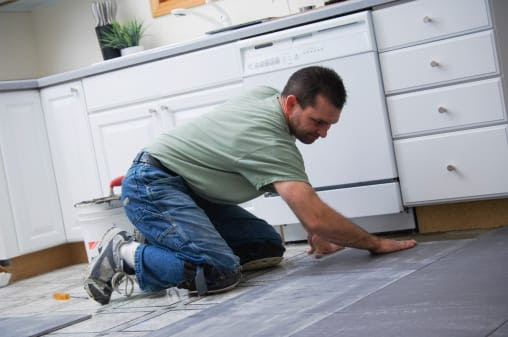
Floor repairs can be fairly easy, from cleaning to repairing small nicks in the flooring. If you want to take on a larger project, it might be worthwhile to hire a pro if your project requires installing hardwood floors or laying tile. With the  amount of work required to install a new floor, hiring someone with the experience can save you time, money and a lot of body aches.

Windows

If you're doing minor maintenance and repairs (like repairing or replacing wood sills or caulking around windows), you should be able to do this type of project no sweat. But if you're looking to replace a window, or need to rebuild a window frame, count on calling a professional for help.


Electrical

If you have no experience with the electrical system of your home, keep your improvements limited to changing outlet covers and switch plates. You can also change your current light bulbs with energy saving bulbs. 

Tile

Tiling a back splash or replacing dirty old grout are projects most homeowners will be able to tackle on their own. But if your project requires tiling floors, walls, or large tile installations, it might be worthwhile to contact a professional for help, especially if your project requires cutting any tile. 

Plumbing

DIYers should be able to do small projects, like replacing toilet flapper, addressing drips, upgrading shower and sink fixtures, and other small things that don't require a lot of tools. If your project requires moving or installing any plumbing or pipes, call a pro for help. 


Home Repairs for a Professional:


Plumbing

Small leaks can mean thousands in repairs if they're not caught in time. If you need to modify your plumbing system, then you should definitely call a professional. Welding pipes together requires a torch, and if you don't have that experience, it's best to rely on the experts for this type of work. 

Electrical

If your project requires direct contact with electricity, call a pro. This includes rewiring, adding power to areas that do not currently have power, and any installation of large or heavy light fixtures (think a chandelier). Electricity is no joke, and the last thing you want is to cause yourself harm, or harm your home, during a DIY project. 

Asbestos, Mold and Lead Paint

If you have a new home, you will not encounter asbestos or lead paint. But if you are interested in older homes, asbestos and lead paint are possibility. Once used as insulation, asbestos is toxic, and there are laws that  govern how it's removed and disposed of. Lead paint is also highly toxic, and removal should be done by a lead professional. Should you have mold in your home (certain types are toxic), it's best to leave the removal of all of these to the professionals: they know how to remove and dispose of all toxic materials, and they can do it safely. 

Roofing

Repairing a roof shingle might seem like an easy task, but there is more danger in getting on and off a roof than most homeowners realize. Tools, multiple trips up and down a ladder, and constant attention paid to the incline of the roof make roof repairs tiring, and if you're not prepared, dangerous. Stick with the professionals - they have the proper gear and the experience required to do the job right. 

Anything with Gas

Gas is similar to water: if it can find a way out, it will escape. If you're replacing appliances that run on natural gas, it's best to hire someone to help with installation. The last thing you want is for gas to escape and result in a buildup of carbon monoxide in your home. 


Thursday, November 12, 2015

What's My Home Worth?

Large Livingston County map hanging in our office

Are you interested in what you home is worth in today's market? Here at RE/MAX, we have a new tool that allows clients to get a good idea of what homes are selling for in their area. If you are located in Livingston County or the surrounding areas, click here to find out what you home is worth today!

Friday, October 23, 2015

November Newsletter 2015

Real Estate Advisor: November 2015 

 You Can Buy and Sell Real Estate During the Holidays

It's common knowledge that most people are advised to get their home on the real estate market in late spring or early summer as that is 'real estate season'. While that majority of homes do sell in the spring and summer, listing your home during the holidays or in the winter is not as taboo as some would lead you to believe. There are actual benefits to listing or looking for a home during the holidays, and if you've missed out on the real estate scramble of the spring and summer, starting a home search or listing your home now might just be in your best interest. Here are some of the top reasons why you shouldn't avoid listing your home, or looking for a home, during the holidays.

Buyers Never Stop Looking

Many would lead you to believe that the real estate market comes to a complete stand still during the holidays or in the winter, but that's not the case. Every state's real estate market is thriving year-round, and that even includes during the holiday season. Serious buyers never stop looking, and a serious seller (or a seller that wants or needs to sell their property) will keep their home on the market all year long. The holidays bring out the buyers and seller that are determined -- they need something or want to sell now, and they're not willing to wait for the spring or summer. 
Many people with school-aged children want to wait to buy a new home when their kids are not in school, but the reality is that a family or anyone looking for a new home can move at any time of the year. Perhaps if you're in an area with inclement winter weather, you  might want to put off your search or move until better weather arrived, but for those that live in a mild climate, moving in November or December is just as easy as moving in May or June. Buyer can also sign up for new listing emails, which alert them to whenever a new property has come on the market, and the sellers have the ability to sign up for seller reports, so they can stay on top of the market in their neighborhood. 

Inventory and Competition

While it is known that home inventory is largest during the spring and summer months, the MLS always has homes and properties listed on it. Fall and winter will have properties available, but the number of properties will be lower. Unless you're totally transfixed on a certain home, or you have a list of needs and wants a mile long, you can be sure to find a property that will fit you housing needs throughout the year.
 Despite the fact that inventory will be lower in the fall and winter, people still list their homes, especially if they are serious sellers. While the market is slower, it also is less competitive in terms of other buyers looking for homes. It's likely the fall and winter won't create scenarios of multiple, high dollar offers on one property; buyers and sellers alike will have more opportunities to actually think about offers, and especially for buyers, low competition guarantees that you're not making a rushed or rash decision based on emotions or other offers when you do find the perfect property.  

Affordability

This is specifically for buyers, but it's widely known that home prices slightly fall in the fall and winter when the market has cooled down and more serious sellers are keen to get a sale. This is mostly because real estate sales are seasonal. But that's not to say if you list your home in the fall and winter you're doing to have to drastically slash the price in order for your property to sell. While it might sit on the market a little longer than it would in the spring or summer, fall and winter sales happen, and if you're a serious buyer or seller, you know you'll want to do all you can to make your dream of buying or selling a home a reality.  

Homes Look and Feel Charming

You'll see a lot of articles on home to spruce up a home to ready it for the real estate market, and while the tips are definitely valuable, it's not a secret that many people decorate their homes over the holidays. There's something warm and inviting about a decorated home, or a home that feels cozy, and people who list heir homes in the fall and winter can take advantage of a fireplace or wood stove to make a room more invinting. 
If you property doesn't have a fireplace or wood stove, you can use candles and other things to make the home smell inviting to buyers. While it may seem cumbersome to sell a property during the holidays or in the winter, you do have some ways to play up the season. And if you are truly set on avoiding the holidays, you can always put it on the market the first of January, when the chaos of the holiday season is over. 

Tuesday, February 24, 2015

Common Pests and Your Home


The list of new responsibilities can seem overwhelming when you buy a home or become a first-time homeowner. One responsibility that tends to get overlooked until it becomes a larger issue is that of household pests. A household pest is "a destructive insect or other animal that attacks" your home. Pests range throughout the U.S., but the most common pests are those that have become almost commonplace in our lives. Here are some of the most common pests encountered by homeowners throughout the U.S., and what you can do to help prevent pests in your home.

Most common Spring and Summer Pests:
Termites:

Termites are generally grouped by their nesting and feeding habits: subterranean, soil-dwelling, dry wood, damp wood and grass-feeding. They feed on dead plant material, generally in the form of wood, leaves, soil and animal dung. Termites can cause significant structural damage to buildings. Those classified as subterranean and dry wood are those that are responsible for the damage to homes.

Ants:

Ants are the most common household pests in the north central states. They are social insects, and they have a wide variety of nesting habits. Ants can build nests in soil, behind moldings, baseboards and counter tops, and some types nest in decaying or moisture damaged wood. Ants will feed on all types of food, and ant damage varies. Most ants cause little damage, but carpenter ants can weaken wood structures similar to termites, and the majority of ants don't transmit diseases.


Flies:

Flies are some of the most annoying pests in the home. They land on almost every surface, and their diet includes a wide variety of foods: human food, animal food, animal carcasses, garbage and excrement. Flies also carry germs and diseases. They are known to transfer over 100 pathogens, some of which include salmonella, anthrax, tuberculosis, and the eggs of parasitic worms.


Spiders:

Spiders are generally not harmful and they do feed on other insects like flies and other spiders. Most spiders found in the home are not venomous, but there are some that homeowners don't want to find inside their house. The Black Widow and Brown Recluse are two of the most talked about spiders homeowners do not want to find in their homes. Black Widows can be found throughout the U.S., and Brown Recluse are predominately found in the Midwestern States, most notably Oklahoma, Arkansas and Missouri. All spiders have the ability to travel to all states by ways of hiding in boxes, packages and produce.


Most Common Fall and Winter Pests:

Stink Bugs:

Stink bugs are found throughout the U.S., and most of the time homeowners don't know they have an issue until early fall, when stink bugs turn up on the sunny side of homes where they can warm themselves. During the summer months stink bugs live outside, feeding on fruits, grains and other crops. During the colder months, stink bugs will hide inside walls or in attics and crawl spaces. These bugs get their name from the unpleasant odor they produce when they feel threatened.


Rodents:

Rodents are warm-blooded and are found throughout the U.S. The most common types of rodents are mice and rats. Both rapidly breed and are capable of squeezing through spaces that appear smaller than their bodies. Rodents seek warm shelter in the cold months, particularly mice, who seek food, water and warmth within homes. Generally, if one rodent is found, many more are hiding nearby.


How to Avoid Pests:

Most home pests can be avoided by doing simple, everyday things. As a homeowner, make sure your doors and windows are closed, as these are the most common ways for pests to enter a home. Make sure window and door screens are in good repair or working order. By eliminating moisture buildup in small areas and basements you reduce the risk of creating hospitable environments for pests. Sealing openings in a home's foundation will help reduce access to your home.

Trees harbor pests -- by keeping tree branches trimmed and away from the home you deter pests (especially spiders) from having easy access to your home's roof. Moisture attracts pests -- direct rain water away from the home and foundation to prevent possible moisture buildup. If you have fire wood, store it at least 20 feet away from the house. Flies and other pests are attracted to garbage, so ensuring that garbage cans are sealed tight and all animal deposits are picked up will help reduce the risks of attracting pests into your home. The best deterrent to pests remains a clean, uncluttered home, where food, crumbs, and anything else that has the potential to attract pests is put away, covered or thrown away.