Showing posts with label investment. Show all posts

Tuesday, May 31, 2016


Real Estate Advisor: June 2016

Finances and Buying a Home

 Home ownership has always been a top dream for millions of Americans, and with the many television shows, magazines and other media geared toward owning a home in the U.S., buying a home is very much a reality in our country. 

While we can get caught up in the very fun aspect of looking at homes, browsing the many websites dedicated to real estate, looking for a home or property is just one aspect in the entire home buying process. One part, of which is fairly important and might be casually looked over at the beginning, is that of getting one's finances in order to begin a home search. Finances area huge part of buying, especially if you'll be applying for a mortgage loan. To put yourself in a great position before your begin your home or property search, use the tops below regarding credit, a home budget and having cash for a down payment and closing costs to help you ensure you have your bases covered before you begin your property search. 

Credit

One of the most important aspects of your finances when it comes to buying a home, or even in general, if your credit. Your credit is your ability to obtain goods or services before payment. Credit, when it comes to home ownership, generally means a mortgage loan. The majority of buyers in the United States will have to obtain a mortgage loan in order to purchase a home or property, and that's ok. Mortgage loans have been around for decades, helping buyers who might not have a cash payment be able to afford a home. If you are one of the thousands of home buyers that will need to look into a mortgage loan, getting your credit in order before looking at homes in an excellent step to take in getting your finances in order. 
Your credit is made up of your credit score and your credit report. A credit score is a three digit number that is generated based on what is in your credit report, and it basically tells banks and other lenders what your creditworthiness. Your credit report is a detailed report of your credit history, and the information is used to generate your credit score. 
When most people consider buying a property, one of the first things that's suggested is to get one's credit in order. This can mean a number of things, but it includes running a credit report, checking a credit score, and paying off or paying down any debts that might be outstanding in order to have a better credit score and higher creditworthiness. If you're looking at buying, run your credit report to make sure it's current, up-to-date and that there's nothing 'off' on the report. You want to make sure all the information that's listed is true and only pertains to you. 

Budget

We all can get wrapped up in the fun and excitement of property searches, and many times our wants and likes go beyond what our budget can afford. Once you have your credit in check, the next thing to do is determine your budget. The best advise to heed when thinking about your budget: you want to be financially comfortable. You already know your monthly expenses as a non-homeowner, but if  you don't, dedicate some time to sitting down and writing out all your monthly expenses to get an idea of how much you or your household spends each month. Compare this number to the amount of money you bring in each month. If you're already renting, you know how much of your income goes toward you rent, renters insurance, and any other expenses that come along with your rental unit. 
If you don't rent, once you have all of your spending written out, you'll have a good understanding of how much you have left each month that can go toward a mortgage payment or toward a down payment. An excellent tool that can be found on the internet is a Home Affordability Calculator - this helps to determine a comfortable monthly payment based on all of the other recurring expenses a household might have. 

Cash for a Down Payment and Closing Costs

Another part of finances when it comes to buying a home or property is a down payments and closing costs. You've made sure your credit is in order; you've figured out a comfortable budget for a monthly home payment; now is the time to set some cash aside. A down payment is generally required when taking out a mortgage loan. Most lenders require a down payment and it goes toward the total amount of the mortgage loan. Your down payment is going to be based off of the type of mortgage loan you get - which, percentage wise, can range all the way up to 20% of the total purchase price. There is no limit to the down payment, as you can pay as much as possible toward it, but for the majority of home buyers the down payment will be anywhere up to 20% of the final price.
Another cash expense of home buying is the closing costs. Closing costs are fees that are associated with the closing of a real estate transaction, and they are paid either by the buyer, seller, or both parties together. The costs are based on the type of property that is purchased, the location of the property, and a number of other things, but for the most part closings costs can range anywhere from 2 to 5 percent of the purchase price. Closing costs, just like a down payment, are made with cash, and sometimes buyers can negotiate for a seller to cover closing costs. To be on the safe side, have enough cash set aside to cover both a down payment and closing costs when buying a home or property. 
Buying a home is an exciting life event, but it's also a large financial event. Before you begin your home search, have all your bases covered when it comes to finances and the home search will be much more rewarding and less stressful in the long run.


Friday, April 8, 2016


Real Estate Advisor: March 2016 

Real Estate Tips for Buyers and Sellers

Thinking about starting a home search or selling your home soon? The 2016 real estate season is upon us, and if you are anticipating a home search, or selling a property, here are some top tips to help you navigate the real estate market in  your area this spring and summer. 

For Buyers

Don't Go Overboard With An Offer

 While you might be inclined to get into a bidding war over your dream home (the market is pretty competitive), don't overspend to the point where if the market stabilizes your home will have an overly inflated price and make it difficult to resell in the future. If you plan on living in the property for along time, paying a high price isn't a bad thing, but it's a good idea to set a limit on how high you're willing to bid for a home. 

Start Your Search Ready

If you're already looking into purchasing a home or property, and you know you'll need a mortgage, you should already be shopping for a loan. Buyers with a mortgage pre-approval are a step above those that haven't even looked into loans. You can also help your purchase game by having fewer contingencies or conditions that affect the purchase. If you can start your home search with some of your bases covered, and the ability to be flexible, you'll already be far ahead of those just entering the real estate race. 

New Doesn't Mean Pristine

While we all dream of buying a brand new home, complete with absolutely no projects, it's quite common for brand new construction to have issues. The reality is that builders can and do cut corners, and the last thing that you want is to invest your money into a brand new home only to find out that certain things were not completed 100%. If you're looking to buy new construction, it's not a bad idea to hire an independent inspector to make sure your new home is up to all current building codes and standards. 

Beware of Hidden Costs

While you might find a home that is the perfect price for your budget, beware of the hidden costs that come along with buying a property. You may or may not have a mortgage, but you will have yearly property taxes that will either be monthly payments or a large payment once a year. If you do need a mortgage, you can expect an origination fee, and depending on the amount of your down payment or your credit rating, you can also expect to pay private mortgage insurance. You can also expect fees by way of the home inspection, appraisal, and in some communities there will be monthly HOA fees. 

Don't Be Afraid To Go Outside Your Comfort Zone

Many buyers have a specific neighborhood, town or city picked out before they begin their property search. With the U.S. real estate market being as competitive as it is for buyers, don't be afraid to look into areas that are developing when you look for a new home or property. Homes and property prices might likely be lower in developing areas, and if you can find an area where new businesses are being introduced and other amenities will be available, home values may significantly increase over the coming years. 

For Sellers

Play To Your Advantages

The U.S. real estate market is being called a Seller's Market, meaning there are more people trying to buy houses and properties than there are actual properties to buy. Because of this, as a seller, you can play to your advantages: you can likely get away with not paying closing costs; you can dictate the terms of the sale and any contingencies a buyer might have; you can entertain multiple offers and choose the best one for you. But in all of this, don't try to price your property outside of your area - you want to sell your home not keep it on the market forever. 

Know The Best Area Of Your Property

If you're considering selling your property, there are two room updates almost every buyer appreciates: kitchens and bathrooms. If you have the time and money to invest in updating these two areas of your home, try basic face lift (you don't need to go overboard!). Add some fresh paint, clean up the cabinets, and install new lighting or hardware. Make the kitchen and bathrooms pop: buyers always react best to a fresh, clean and clutter free kitchen and bathroom. 

Do You Have A Replacement Property Picked?

You might be considering selling your home or property - have you started your property search yet? With the market being as competitive as it is, it's a good idea to start your property search when you put your own property on the market, and sometimes even before. You don't want your home to sell before your have a place picked out. If you do find yourself in a bind, you can always work with your agent to make the closing period longer. Whatever you decide to do, make sure you start your property search as soon as possible.

Wednesday, November 25, 2015

Real Estate Advisor: December 2015 

When to Use a Professional

As homeowners, we want our properties to reflect our styles and the designs of the current day. If you have purchased an older property, or you just want to update your current home, a certain degree of work and projects are required to bring your property up to the level you strive for. While many of us have experience with home projects, there are some of us that don't. Below are some of the commons projects homeowners embark upon, and suggestions on when it's best to do it yourself  or call a professional for help.

Walls

Most painting job are DIY, pending you have a steady hand. Should you have structural repairs or water damage, call a pro, especially if you're going to demolish the existing wall, replace or re-frame anything, install new Sheetrock or drywall or anything else that is labor intensive. 


Floors

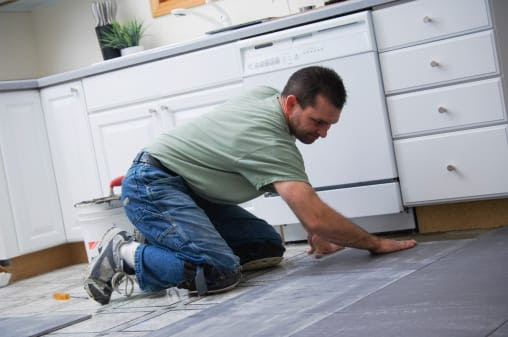
Floor repairs can be fairly easy, from cleaning to repairing small nicks in the flooring. If you want to take on a larger project, it might be worthwhile to hire a pro if your project requires installing hardwood floors or laying tile. With the  amount of work required to install a new floor, hiring someone with the experience can save you time, money and a lot of body aches.

Windows

If you're doing minor maintenance and repairs (like repairing or replacing wood sills or caulking around windows), you should be able to do this type of project no sweat. But if you're looking to replace a window, or need to rebuild a window frame, count on calling a professional for help.


Electrical

If you have no experience with the electrical system of your home, keep your improvements limited to changing outlet covers and switch plates. You can also change your current light bulbs with energy saving bulbs. 

Tile

Tiling a back splash or replacing dirty old grout are projects most homeowners will be able to tackle on their own. But if your project requires tiling floors, walls, or large tile installations, it might be worthwhile to contact a professional for help, especially if your project requires cutting any tile. 

Plumbing

DIYers should be able to do small projects, like replacing toilet flapper, addressing drips, upgrading shower and sink fixtures, and other small things that don't require a lot of tools. If your project requires moving or installing any plumbing or pipes, call a pro for help. 


Home Repairs for a Professional:


Plumbing

Small leaks can mean thousands in repairs if they're not caught in time. If you need to modify your plumbing system, then you should definitely call a professional. Welding pipes together requires a torch, and if you don't have that experience, it's best to rely on the experts for this type of work. 

Electrical

If your project requires direct contact with electricity, call a pro. This includes rewiring, adding power to areas that do not currently have power, and any installation of large or heavy light fixtures (think a chandelier). Electricity is no joke, and the last thing you want is to cause yourself harm, or harm your home, during a DIY project. 

Asbestos, Mold and Lead Paint

If you have a new home, you will not encounter asbestos or lead paint. But if you are interested in older homes, asbestos and lead paint are possibility. Once used as insulation, asbestos is toxic, and there are laws that  govern how it's removed and disposed of. Lead paint is also highly toxic, and removal should be done by a lead professional. Should you have mold in your home (certain types are toxic), it's best to leave the removal of all of these to the professionals: they know how to remove and dispose of all toxic materials, and they can do it safely. 

Roofing

Repairing a roof shingle might seem like an easy task, but there is more danger in getting on and off a roof than most homeowners realize. Tools, multiple trips up and down a ladder, and constant attention paid to the incline of the roof make roof repairs tiring, and if you're not prepared, dangerous. Stick with the professionals - they have the proper gear and the experience required to do the job right. 

Anything with Gas

Gas is similar to water: if it can find a way out, it will escape. If you're replacing appliances that run on natural gas, it's best to hire someone to help with installation. The last thing you want is for gas to escape and result in a buildup of carbon monoxide in your home. 


Thursday, November 12, 2015

What's My Home Worth?

Large Livingston County map hanging in our office

Are you interested in what you home is worth in today's market? Here at RE/MAX, we have a new tool that allows clients to get a good idea of what homes are selling for in their area. If you are located in Livingston County or the surrounding areas, click here to find out what you home is worth today!

Friday, October 23, 2015

November Newsletter 2015

Real Estate Advisor: November 2015 

 You Can Buy and Sell Real Estate During the Holidays

It's common knowledge that most people are advised to get their home on the real estate market in late spring or early summer as that is 'real estate season'. While that majority of homes do sell in the spring and summer, listing your home during the holidays or in the winter is not as taboo as some would lead you to believe. There are actual benefits to listing or looking for a home during the holidays, and if you've missed out on the real estate scramble of the spring and summer, starting a home search or listing your home now might just be in your best interest. Here are some of the top reasons why you shouldn't avoid listing your home, or looking for a home, during the holidays.

Buyers Never Stop Looking

Many would lead you to believe that the real estate market comes to a complete stand still during the holidays or in the winter, but that's not the case. Every state's real estate market is thriving year-round, and that even includes during the holiday season. Serious buyers never stop looking, and a serious seller (or a seller that wants or needs to sell their property) will keep their home on the market all year long. The holidays bring out the buyers and seller that are determined -- they need something or want to sell now, and they're not willing to wait for the spring or summer. 
Many people with school-aged children want to wait to buy a new home when their kids are not in school, but the reality is that a family or anyone looking for a new home can move at any time of the year. Perhaps if you're in an area with inclement winter weather, you  might want to put off your search or move until better weather arrived, but for those that live in a mild climate, moving in November or December is just as easy as moving in May or June. Buyer can also sign up for new listing emails, which alert them to whenever a new property has come on the market, and the sellers have the ability to sign up for seller reports, so they can stay on top of the market in their neighborhood. 

Inventory and Competition

While it is known that home inventory is largest during the spring and summer months, the MLS always has homes and properties listed on it. Fall and winter will have properties available, but the number of properties will be lower. Unless you're totally transfixed on a certain home, or you have a list of needs and wants a mile long, you can be sure to find a property that will fit you housing needs throughout the year.
 Despite the fact that inventory will be lower in the fall and winter, people still list their homes, especially if they are serious sellers. While the market is slower, it also is less competitive in terms of other buyers looking for homes. It's likely the fall and winter won't create scenarios of multiple, high dollar offers on one property; buyers and sellers alike will have more opportunities to actually think about offers, and especially for buyers, low competition guarantees that you're not making a rushed or rash decision based on emotions or other offers when you do find the perfect property.  

Affordability

This is specifically for buyers, but it's widely known that home prices slightly fall in the fall and winter when the market has cooled down and more serious sellers are keen to get a sale. This is mostly because real estate sales are seasonal. But that's not to say if you list your home in the fall and winter you're doing to have to drastically slash the price in order for your property to sell. While it might sit on the market a little longer than it would in the spring or summer, fall and winter sales happen, and if you're a serious buyer or seller, you know you'll want to do all you can to make your dream of buying or selling a home a reality.  

Homes Look and Feel Charming

You'll see a lot of articles on home to spruce up a home to ready it for the real estate market, and while the tips are definitely valuable, it's not a secret that many people decorate their homes over the holidays. There's something warm and inviting about a decorated home, or a home that feels cozy, and people who list heir homes in the fall and winter can take advantage of a fireplace or wood stove to make a room more invinting. 
If you property doesn't have a fireplace or wood stove, you can use candles and other things to make the home smell inviting to buyers. While it may seem cumbersome to sell a property during the holidays or in the winter, you do have some ways to play up the season. And if you are truly set on avoiding the holidays, you can always put it on the market the first of January, when the chaos of the holiday season is over.