Showing posts with label home improvement. Show all posts

Friday, October 28, 2016

Home Repairs

Real Estate Advisor: November 2016


More often than not, as homeowners, the last thing we want to do is home repairs. Not only do they take time (and many of us don't have a lot to spare), but they can also be costly and sometimes tedious. Sure, changing a light bulb or fixing a leaky faucet can be put off until it's absolutely necessary to fix, but there are some home repairs that should never be put off. Unfortunately, many of these involve major things (and can come with an even more major price tag), but avoiding the repairs listed below could actually cause bigger problems down the road for your property. The following are some of the top home repairs that should never be put off.

Roof Issues

No house is complete without a roof. Probably one of the most important parts of any building, the roof is a major player when it comes to keeping up on repairs. With a roof, there are a number of things that should be fixed as soon as possible: leaks, missing or damaged shingles/tiles, and any kind of sagging. Leaks mean water is getting into the home, and water can lead to things like mold, structure damage and even fire should it come into contact with anything electrical. Missing or damaged shingles or tiles can lead to a number of issues if not fixed and create weak spots in a roof. A sagging roof could signify moisture in the attic space (a result of poor ventilation), broken or cracked joists, rafters or the ridge line itself.

Foundation Issues

The foundation of your home is extremely important - it essentially holds up your home's entire structure. Cracks in the foundation are definitely something not to overlook when it comes to repairs. The last thing you want as a homeowner is for a crack to spread. Any crack has the capability to grow, but large cracks that are not addressed by a professional can eventually lead to leaks and even possibly the concrete collapsing. Foundation issues can be extremely costly, so addressing things like cracks while they are still small should be a top priority for any homeowner.

Plumbing Issues

Water anywhere other than in a pipe or a sink basin is bad, especially for your home. Plumbing issues and leaks anywhere in your property should be addressed as soon as possible. Water can cause a multitude of issues - from mold to structural and cosmetic issues. Plumbing issues, if left untreated, can become even bigger issues, especially when they occur inside walls or areas that are difficult to get to, and repairs carry a very big price tag if left to the last minute.

Mold

Some might argue that there is good and bad mold, but in reality, any mold in a home is bad mold. Yes, there are certain types of mold that are health hazards and can greatly negatively impact one's health, but mold in general means there is a moisture issue that needs to be addressed. Mold is something that a homeowner can easily overlook, feeling it unnecessary to treat. Not only should the mold be treated, but the root cause of why mold is growing in the property needs to be addressed as well. If the root cause is not fixed, even when professionally treated, mold can come back. Being aggressive when it comes to mold is not only good for the property, but it's also good for the health of all those who live in it.

Electrical System

Electricity is no laughing matter, especially if you're having issues with it in your home. Overtaxed, poor and outdated electrical systems pose a number of issues to a homeowner if not repaired. Electrical issues generally have early warning signs too, from circuit breakers buzzing or even blowing, to flickering lights and hot switches and outlets. If electrical system issues go ignored, there is definitely a possibility for a fire, and should water get into a troubled electrical system, the result is anything but good.


Wednesday, August 31, 2016

Exterior Updates to Boost Resale Value


Real Estate Advisor: September 2016

Exterior Updates to Boost Resale Value

One of the best tools in a seller's arsenal is curb appeal. The outside of a home or property is one of the first things a buyer sees, and while many times it's not on the outside that counts, when it comes to real estate, the outside of a home plays a huge part in whether a buyer is going to want to take a look inside.
If a property can catch a buyer's eye from the get go, the probability that the buyer will want to look inside exponentially grows. If you've put your property on the market and are not attracting the number of potential buyers you'd like, or you're considering putting your property on the market and would like to give it a step above the other options on the market, consider these exterior home updates to help attract more buyers and help the resale value of your home or property.

Landscape

Unless your home or property is in an urban environment, say the middle of the city, it's highly likely you have some kind of yard or landscape. While not all homeowners enjoy working in the yard, a front yard or outdoor area makes a huge first impression on house hunters. Not to mention that 92 percent of home buyers now begin their search online, looking at pictures of homes, so showcasing the front of your home by landscaping or adding natural elements will undoubtedly help attract buyers and overall add to the total value of the home.

Update Paint

 Paint colors can make or break a house sale. If your property is on the market, or you're thinking of selling, consider adding a new coat of paint to help add value to your property. Depending on the size of your home, painting the exterior of a home can go for one thousand dollars and up, but the average return on the investment is about ninety percent. If your budget is tight and can't accommodate new paint, consider renting or buying a pressure washer and washing down the sides of your home. Pressure washing is not only more affordable, but it can also bring new life to a tired exterior paint job.

Replace Front Door

The front door of a home says a lot about a property and even about the seller. A high quality front door will not only stand out in pictures but also appeal to any buyers who might drive by the property. If your front door could use a facelift, consider investing in a wood or fiberglass door. Both types have a high-end look and feel and can help to boost the resale value; but if your budget doesn't have the room for a brand new door, replacing the door hardware and adding a new coat of paint can help invigorate a tired door and still catch the attention of potential buyers.

Install New Windows

Windows can tell a buyer a lot about a property. If your home's windows are older (single-pane), leaking or seals are broken (there is noticeable moisture between the panes), broken or otherwise not in the best condition, and it's in your budget, consider installing new windows before you put your home on the market. Many windows are now created to be energy efficient, saving homeowners money every year through energy savings, and the average return on investment is ninety percent. Not only do buyers like the idea of having new windows in a home, but replacing any windows will no doubt boost the resale value of a property.

Update Siding

Not every home or property suffers from old or bad siding, but siding is another item that immediately pops out to buyers. Many older homes have vertical siding, and while there is nothing wrong with vertical siding, some buyers will be turned off by it. A great way of increasing a home's resale value is to consider replacing siding - the national average for return on investment for updating to fiber-cement siding is almost eighty-five percent. If your budget can't take new siding for the entire home, but you want to change your vertical siding, consider adding new siding to the front of the home. While it's not a total redo, the majority of buyers will be attracted to the new siding, and it will add to the overall resale value of the home.


Wednesday, August 3, 2016

Updates, Renovations and Remodels

Real Estate Advisor: August 2016

Updates, Renovations and Remodels

When selling a home or property, one of the main foals of the seller is to get the highest offer possible. If the market is hot, the chance of getting a high offer is relatively high. If the market is on the cooler side, many sellers looks to alternative options to make their properties more marketable, usually by way of a remodel, a renovation or by updating the property. But what is the difference between a remodel and a renovation? Is an update something that is easy or difficult?

While there are no doubt projects that see better return on investment than others, homeowners have a number of options when it comes to boosting their property's value. If you're not particularly ready to put your property on the real estate market, but are looking for ways to help boost your home's overall value, an update, a renovation or a remodel might be just what you're looking for at the current time.  

Updates

Want to help boost your home's value but have a limited budget for projects? Updates are a great option for the homeowner that has limited resources, funds or even time. But what's an update? An update essentially brings new life to your property, and perhaps brings things up-to-date, but it does so without significant alterations to the existing structure or property. Updates that are common in many households are updating light fixtures, installing new appliances, updating the home to be more energy efficient, updating exterior paint or changing interior colors, etc.

Depending on your budget, updates shouldn't break the bank, but they can help to boost a property's value or overall marketability. Buyers like seeing updates, especially when they boost the overall appearance of the home. Updates are a great and relatively convenient way of sprucing up a home without dedicating a high amount of time and money to projects, and even minor updates can help boost a property's overall value. Even just repainting the exterior trim can make a big difference.

Renovations

Renovation means to restore to a good condition or make new again. Renovating a property or a part of a property refreshes and revives it. Renovation can cover a number of different things: renovating plumbing or electrical throughout a home or property, refinishing hardwood floors, re-facing kitchen cabinets, adding modern finishes and fixtures to an older home. Renovating a property generally means that you're making the property meet current market expectations. Renovations, especially of certain rooms, can make spaces much more attractive to buyers but also add considerable value. Kitchens are one of the best options for a renovation when it comes to overall return on investment.

If you're looking to help boost the overall value of your property, adding stainless steel appliances to a kitchen (or even updating to newer appliances), putting in granite or other stone counter tops, changing outdated cabinet doors and hardware can all help boost a property's value and catch a potential buyer's eye. Depending on the number of projects you'd like to tackle, renovations can be relatively quick or take time and cost a few dollars. Again, your budget and time frame will determine the scope of your project, but renovations can add considerable value to your property and provide a large return to investment when it comes time to sell.

 Remodels

Remodels require a little more time, labor and funding, and more often than not remodels involve removing or moving walls, building additions or anything that includes significant structural changes to increase utility or appeal via replacement or expansion. A remodel changes the use of a space by altering the structure and style of a home. Popular remodels include kitchens, bathrooms and even going so far as to add additional square feet to the entire house. Because of how extensive a remodel can be, it's always suggested that permits are obtained for the work and that an architect and/or contractor is used to make sure any work is done according to current local building codes. 

Remodels that help improve a space can increase a property's value immensely, and in some hot real estate markets could even see a 100 percent return on investment. Some of the most popular remodels home buyers seek: kitchens, bathroom, and additional square footage (adding rooms) as they show the homeowners invested in the property and took the time to improve it for the future. 

Updating a home or property, or choosing to renovate or remodel, is a big decision and ultimately depends on how much time, effort, money and sweat a seller wants to put into the task. But if you're on the fence of whether or not your property could fetch the highest selling price in today's market, considering an update, a renovation or remodel might be the best solution at the current time to get your property to the top of every buyer's list. 

For more information on how to update your home or if your interested in scheduling a no-obligation meeting with Will Steinmetz, please do not hesitate to call (810) 844-2201.

Friday, April 8, 2016


Real Estate Advisor: March 2016 

Real Estate Tips for Buyers and Sellers

Thinking about starting a home search or selling your home soon? The 2016 real estate season is upon us, and if you are anticipating a home search, or selling a property, here are some top tips to help you navigate the real estate market in  your area this spring and summer. 

For Buyers

Don't Go Overboard With An Offer

 While you might be inclined to get into a bidding war over your dream home (the market is pretty competitive), don't overspend to the point where if the market stabilizes your home will have an overly inflated price and make it difficult to resell in the future. If you plan on living in the property for along time, paying a high price isn't a bad thing, but it's a good idea to set a limit on how high you're willing to bid for a home. 

Start Your Search Ready

If you're already looking into purchasing a home or property, and you know you'll need a mortgage, you should already be shopping for a loan. Buyers with a mortgage pre-approval are a step above those that haven't even looked into loans. You can also help your purchase game by having fewer contingencies or conditions that affect the purchase. If you can start your home search with some of your bases covered, and the ability to be flexible, you'll already be far ahead of those just entering the real estate race. 

New Doesn't Mean Pristine

While we all dream of buying a brand new home, complete with absolutely no projects, it's quite common for brand new construction to have issues. The reality is that builders can and do cut corners, and the last thing that you want is to invest your money into a brand new home only to find out that certain things were not completed 100%. If you're looking to buy new construction, it's not a bad idea to hire an independent inspector to make sure your new home is up to all current building codes and standards. 

Beware of Hidden Costs

While you might find a home that is the perfect price for your budget, beware of the hidden costs that come along with buying a property. You may or may not have a mortgage, but you will have yearly property taxes that will either be monthly payments or a large payment once a year. If you do need a mortgage, you can expect an origination fee, and depending on the amount of your down payment or your credit rating, you can also expect to pay private mortgage insurance. You can also expect fees by way of the home inspection, appraisal, and in some communities there will be monthly HOA fees. 

Don't Be Afraid To Go Outside Your Comfort Zone

Many buyers have a specific neighborhood, town or city picked out before they begin their property search. With the U.S. real estate market being as competitive as it is for buyers, don't be afraid to look into areas that are developing when you look for a new home or property. Homes and property prices might likely be lower in developing areas, and if you can find an area where new businesses are being introduced and other amenities will be available, home values may significantly increase over the coming years. 

For Sellers

Play To Your Advantages

The U.S. real estate market is being called a Seller's Market, meaning there are more people trying to buy houses and properties than there are actual properties to buy. Because of this, as a seller, you can play to your advantages: you can likely get away with not paying closing costs; you can dictate the terms of the sale and any contingencies a buyer might have; you can entertain multiple offers and choose the best one for you. But in all of this, don't try to price your property outside of your area - you want to sell your home not keep it on the market forever. 

Know The Best Area Of Your Property

If you're considering selling your property, there are two room updates almost every buyer appreciates: kitchens and bathrooms. If you have the time and money to invest in updating these two areas of your home, try basic face lift (you don't need to go overboard!). Add some fresh paint, clean up the cabinets, and install new lighting or hardware. Make the kitchen and bathrooms pop: buyers always react best to a fresh, clean and clutter free kitchen and bathroom. 

Do You Have A Replacement Property Picked?

You might be considering selling your home or property - have you started your property search yet? With the market being as competitive as it is, it's a good idea to start your property search when you put your own property on the market, and sometimes even before. You don't want your home to sell before your have a place picked out. If you do find yourself in a bind, you can always work with your agent to make the closing period longer. Whatever you decide to do, make sure you start your property search as soon as possible.

Monday, February 1, 2016

Flipping Homes

Real Estate Advisor: February 2016

 What's the Deal with Flipped Homes?

Americans love their home improvement and design shows. With entire channels dedicated to DIY, home decor and design, and everything related to U.S. real estate, we love the possibilities that lie within the real estate market in America. One popular aspect of many shows and publications is home or house flipping. We hear a lot about flipping homes, but what does that really mean? Is it feasible for everyone? Are there risks? Should you buy a flipped home, and what questions should you ask if your property search lands on a potentially flipped property?

 What is Flipping?

Flipping is a predominately U.S. term used to describe purchasing a property with the intent of quickly reselling it for a profit. Most of the time, properties that are purchased with the intent to flip are those that are distressed, abandoned, or otherwise in need or repairs that make the property less desirable to other potential buyers. Flipping has become increasingly popular throughout the U.S. in the last decade, and many people have become successful real estate flippers with the vast and varied real estate markets throughout the United States. 

Can Anyone Flip a Property?

Many programs on television make house flipping look easily attainable to anyone and everyone. The fact remains that flipping a property is risky business that requires a large amount of work experience, funding (preferably cash), excellent credit and a good understanding and almost intuitive knowledge of the real estate market. If you're interested in flipping properties, the best way to get started is by talking to someone who has experience and has had success in flipping real estate. There are many things to know about flipping real estate that should be addressed before the idea is even entertained. 

What are the Risks of Flipping a Home?

There are risks with any kind of real estate investment, but inexperienced flippers can make a number of mistakes. There are a number of costs that comes with flipping a property, and new flippers can make the mistake of not having enough money to cover the entire project - from the acquisition of the property, to the renovations, taxes, utilities and more. Another risk of flipping properties is time, or lack of time. Finding the right property can take months, and once you own the property there is a time commitment to renovations, commuting, inspections, and ultimately the marketing and selling of the property. Other risks that new flippers run in to are not having enough knowledge about the real estate market and failing to purchase the right property for a flip; a lack of skills when it comes to working on the property and putting in the sweat equity (hard work) required to get it up to market standards; and ultimately lacking patience when it comes to the entire project as a whole. 

Should I Buy a Flipped Home?

Often, flipped homes have mostly cosmic changes done in order to attract buyers and ultimately get the property sold. You might fall in love with fresh paint and brand new appliances, and generally speaking, most flipped homes attract many buyers because they have a smaller initial to-do list than other properties on the market. If you're looking at a property that could be a flip, be sure to ask these questions: What is the home's sale history? If the homes recently sold for much less than its current asking price, it's possible it is a flip. Does the outside of the home match what's inside? If the exterior of the home is older, and the interior looks brand new, it's very possible someone is trying to flip the property. Information is your best friend when it comes to a flipped home, so getting the most information up front will help guide you toward pursing the property or not.
If you believe you're looking for a flipping home, consider asking the seller what changes have been made to the property, and check to see if any permits were issued for the work. Also, some buyers might be blinded by all the new interior cosmetic updates that they forgot about the bones and foundation of the home. Regardless of whether a home is old or new, always hire an experienced and licensed inspector to check over the home to make sure you're getting the most for your money when it comes to buying a property.

Wednesday, November 25, 2015

Real Estate Advisor: December 2015 

When to Use a Professional

As homeowners, we want our properties to reflect our styles and the designs of the current day. If you have purchased an older property, or you just want to update your current home, a certain degree of work and projects are required to bring your property up to the level you strive for. While many of us have experience with home projects, there are some of us that don't. Below are some of the commons projects homeowners embark upon, and suggestions on when it's best to do it yourself  or call a professional for help.

Walls

Most painting job are DIY, pending you have a steady hand. Should you have structural repairs or water damage, call a pro, especially if you're going to demolish the existing wall, replace or re-frame anything, install new Sheetrock or drywall or anything else that is labor intensive. 


Floors

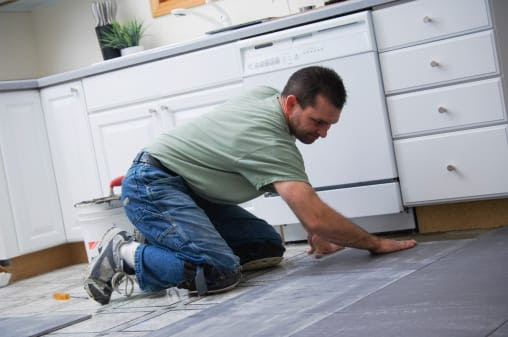
Floor repairs can be fairly easy, from cleaning to repairing small nicks in the flooring. If you want to take on a larger project, it might be worthwhile to hire a pro if your project requires installing hardwood floors or laying tile. With the  amount of work required to install a new floor, hiring someone with the experience can save you time, money and a lot of body aches.

Windows

If you're doing minor maintenance and repairs (like repairing or replacing wood sills or caulking around windows), you should be able to do this type of project no sweat. But if you're looking to replace a window, or need to rebuild a window frame, count on calling a professional for help.


Electrical

If you have no experience with the electrical system of your home, keep your improvements limited to changing outlet covers and switch plates. You can also change your current light bulbs with energy saving bulbs. 

Tile

Tiling a back splash or replacing dirty old grout are projects most homeowners will be able to tackle on their own. But if your project requires tiling floors, walls, or large tile installations, it might be worthwhile to contact a professional for help, especially if your project requires cutting any tile. 

Plumbing

DIYers should be able to do small projects, like replacing toilet flapper, addressing drips, upgrading shower and sink fixtures, and other small things that don't require a lot of tools. If your project requires moving or installing any plumbing or pipes, call a pro for help. 


Home Repairs for a Professional:


Plumbing

Small leaks can mean thousands in repairs if they're not caught in time. If you need to modify your plumbing system, then you should definitely call a professional. Welding pipes together requires a torch, and if you don't have that experience, it's best to rely on the experts for this type of work. 

Electrical

If your project requires direct contact with electricity, call a pro. This includes rewiring, adding power to areas that do not currently have power, and any installation of large or heavy light fixtures (think a chandelier). Electricity is no joke, and the last thing you want is to cause yourself harm, or harm your home, during a DIY project. 

Asbestos, Mold and Lead Paint

If you have a new home, you will not encounter asbestos or lead paint. But if you are interested in older homes, asbestos and lead paint are possibility. Once used as insulation, asbestos is toxic, and there are laws that  govern how it's removed and disposed of. Lead paint is also highly toxic, and removal should be done by a lead professional. Should you have mold in your home (certain types are toxic), it's best to leave the removal of all of these to the professionals: they know how to remove and dispose of all toxic materials, and they can do it safely. 

Roofing

Repairing a roof shingle might seem like an easy task, but there is more danger in getting on and off a roof than most homeowners realize. Tools, multiple trips up and down a ladder, and constant attention paid to the incline of the roof make roof repairs tiring, and if you're not prepared, dangerous. Stick with the professionals - they have the proper gear and the experience required to do the job right. 

Anything with Gas

Gas is similar to water: if it can find a way out, it will escape. If you're replacing appliances that run on natural gas, it's best to hire someone to help with installation. The last thing you want is for gas to escape and result in a buildup of carbon monoxide in your home.